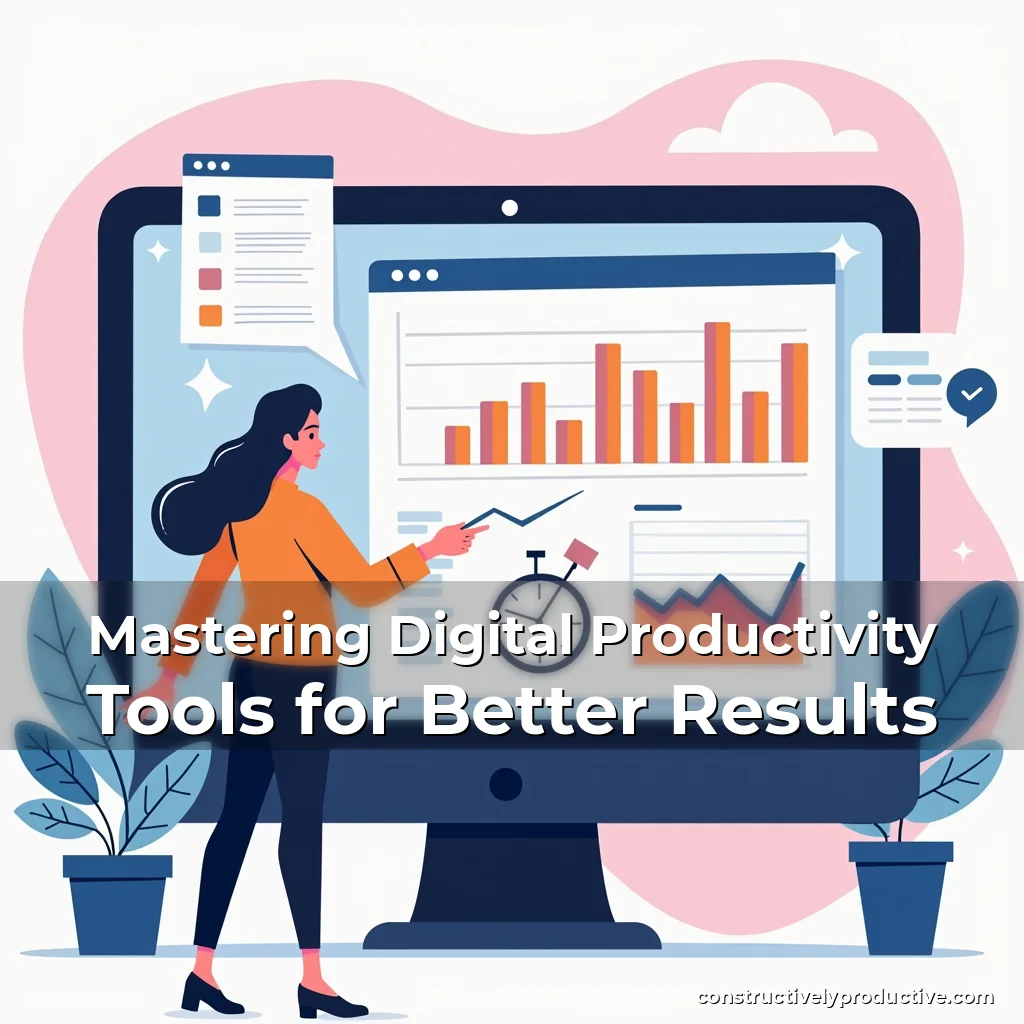
Mastering Digital Productivity Tools for Better Results
The Digital Productivity Revolution: Transforming Workflows with Intelligent Tools
In an era where time is currency and efficiency is paramount, the rise of digital productivity tools has redefined how professionals manage tasks, collaborate across teams, and achieve personal goals. From AI-powered assistants to cloud-based project management platforms, these technologies are not just enhancing workflows—they’re reshaping entire industries.
With over 86% of remote workers relying on specialized software to maintain productivity, understanding which tools align with individual needs has become crucial. This guide explores cutting-edge solutions that empower users to optimize their potential while maintaining work-life balance.
Redefining Efficiency Through Task Automation
Digital productivity begins with automation—a concept that transforms repetitive manual processes into seamless operations. By delegating routine tasks to intelligent algorithms, professionals can redirect cognitive energy towards strategic initiatives that drive innovation.
Tools like Zapier and IFTTT enable cross-platform automation by creating connections between disparate applications. For instance, you might automatically save emails from your inbox to Google Drive without ever opening another window.
- Email sorting: Filters organize incoming messages based on sender, subject keywords, or urgency levels
- Schedule synchronization: Calendars update automatically when meeting times change in shared documents
- Data aggregation: Dashboards compile metrics from multiple sources into single visual interfaces
Cognitive Enhancement via Focus Technologies
Maintaining attention in our hyperconnected world requires intentional design choices. Modern productivity suites now integrate neuroscience principles to help users cultivate deep concentration amidst constant distractions.
Pomodoro timers embedded within task managers use scientifically validated intervals to enhance retention rates during focused periods. Some advanced systems even analyze typing patterns to detect when distraction levels increase.
Neuroscience-Informed Design
A study published in the Journal of Cognitive Neuroscience found that structured work cycles improved task completion by up to 37%. These findings underpin many modern productivity apps’ core functionalities.
Leading platforms employ adaptive algorithms that adjust timer durations based on user performance data. Over time, they learn optimal focus windows tailored to each individual’s biological rhythms.
Collaboration Platforms Redefining Team Dynamics
Remote collaboration has evolved beyond basic video conferencing to encompass full ecosystem integrations. Modern platforms facilitate real-time co-authoring, version control tracking, and asynchronous communication through unified interfaces.
Slack’s integration with GitHub allows developers to receive code review notifications directly within chat channels. Similarly, Notion enables teams to build collaborative knowledge bases that evolve dynamically as new information emerges.
Cloud-Based Project Management Ecosystems
Project managers benefit immensely from integrated platforms that track progress across multiple dimensions simultaneously. These systems combine Gantt charts, resource allocation matrices, and risk assessment models into cohesive dashboards.
Asana’s custom field feature lets teams define unique parameters relevant to their projects—whether tracking bug severity levels or measuring campaign ROI in marketing initiatives. The ability to customize views ensures alignment with organizational priorities.
Integrative Workflow Solutions for Cross-Functional Teams
Modern enterprises require seamless integration between departments working on interdependent objectives. Best-in-class tools provide interoperability that transcends siloed approaches to workflow management.
Jira Software bridges development lifecycles with business intelligence tools, allowing stakeholders to monitor sprint progress alongside financial forecasts. This holistic view prevents misalignment between technical execution and strategic direction.
AI-Powered Decision Support Systems
Artificial intelligence is transforming productivity by providing predictive analytics capabilities previously reserved for Fortune 500 companies. Machine learning models process vast datasets to identify trends invisible to human observers.
HubSpot’s CRM system uses behavioral data to predict client churn probabilities before sales representatives notice any signs. This proactive approach allows businesses to address issues before they escalate into lost revenue opportunities.
Personalized Productivity Frameworks
No two individuals have identical productivity profiles, necessitating customizable toolsets that adapt to unique workflows. Leading platforms offer extensive customization options that cater to diverse professional roles.
Evernote’s tagging system allows users to create personalized knowledge architectures. A researcher might develop intricate taxonomies for literature reviews, while marketers could establish branded content repositories with automated categorization features.
Educational Integration and Skill Development
Productivity tools increasingly incorporate educational components that foster continuous improvement. Gamification elements make skill acquisition enjoyable while promoting consistent practice habits.
Languages like Duolingo use spaced repetition algorithms to reinforce vocabulary retention. Meanwhile, LinkedIn Learning integrates micro-certifications that validate newly acquired competencies within professional networks.
Security Considerations in Digital Productivity
While these tools enhance efficiency, cybersecurity remains a critical concern. Data breaches can occur when sensitive information traverses multiple connected platforms.
Vendors must implement end-to-end encryption protocols and regular security audits. Two-factor authentication becomes essential when handling confidential corporate data or personal health records stored digitally.
Future Trends Shaping Productivity Landscapes
The evolution of augmented reality promises immersive interfaces that redefine interaction paradigms. Early prototypes already demonstrate how spatial computing can transform complex data visualization techniques.
Brain-computer interface research suggests future possibilities where thought-directed commands replace traditional input methods. While still experimental, these advancements hint at radical changes in human-machine interaction models.
Conclusion
This exploration of digital productivity tools reveals a rapidly evolving landscape shaped by technological innovations and changing workplace dynamics. As organizations continue digitizing operations, mastery of these tools becomes essential for sustained success.
To maximize benefits, adopt a selective approach—identify core requirements
“`

news is a contributor at ConstructivelyProductive. We are committed to providing well-researched, accurate, and valuable content to our readers.
You May Also Like
Try Our Productivity Calculators
Optimize your time and achieve your goals with our free tools
Explore All ToolsRelated Articles
The Future of Work: Mastering Digital Productivity Tools to Transform Your Workflow In an era...
Read More