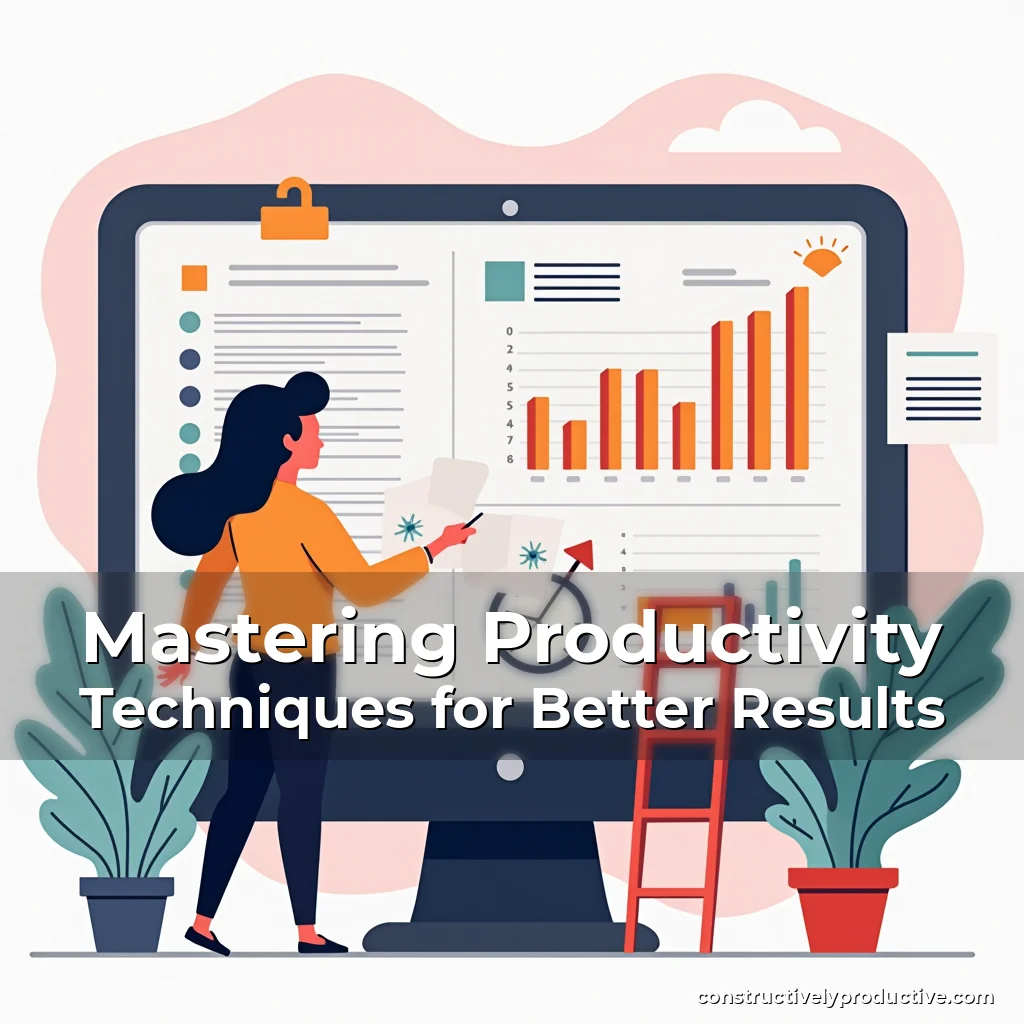
Mastering Productivity Techniques for Better Results
The Science of Flow: Mastering Productivity Through Mindful Techniques
In an age where distractions are omnipresent and time feels increasingly scarce, mastering productivity is less about working harder and more about working smarter. The key lies in understanding how our brains function under pressure and leveraging that knowledge to create sustainable habits.
This guide explores scientifically-backed methods that transform daily routines into powerful engines of efficiency. By integrating mindfulness practices with structured work strategies, you can unlock your full potential without burning out.
Understanding Cognitive Load and Its Impact on Productivity
Cognitive load refers to the total amount of mental effort being used in the working memory. When overloaded, the brain struggles to process information efficiently, leading to errors and fatigue.
Modern multitasking creates artificial cognitive overload by forcing the brain to constantly switch between tasks. This switching costs significant mental energy and reduces overall output quality.
Key research shows:
- Switching between tasks can reduce productivity by up to 40%
- Single-tasking improves accuracy by over 50% compared to multitasking
- Chronically high cognitive load increases stress hormones by 30%
By recognizing these patterns, we can design workflows that respect our natural processing limits rather than trying to push through them.
Simple changes like limiting open browser tabs to three at a time can dramatically reduce mental strain while maintaining workflow continuity.
Time Blocking: Architecting Your Day Like a Professional
Time blocking involves scheduling every task in advance using calendar blocks dedicated to specific activities. This technique transforms abstract goals into concrete commitments.
Research from Harvard Business Review indicates that professionals who use time blocking report 28% higher productivity levels than those who don’t. The visual structure helps maintain focus and prevents procrastination.
Begin by identifying your most productive hours of the day. For night owls, this might be late evening; for early risers, it could be first thing in the morning.
Create buffer zones between scheduled tasks to account for unexpected interruptions. These buffers prevent domino effects when plans go awry.
Use color-coding in your digital calendars to differentiate between types of work. Red might indicate deep concentration tasks, blue for meetings, and green for administrative duties.
Pomodoro Technique: Focused Work Intervals for Optimal Performance
The Pomodoro Technique uses timed intervals (typically 25 minutes) separated by short breaks to enhance focus and prevent burnout. It’s particularly effective for creative problem-solving tasks.
Each completed interval gives a sense of accomplishment while the break allows the mind to reset naturally. After four cycles, take a longer break of 15-30 minutes to recharge fully.
This method aligns with the brain’s ultradian rhythm cycle, which peaks attention capacity roughly every 90-120 minutes before requiring rest.
Variations exist for different needs – some people find 50-minute sessions with 10-minute breaks work better for complex projects. Experimentation is encouraged based on individual response patterns.
Pair this technique with physical movement during breaks to boost blood flow and oxygen delivery to the brain. Even simple stretches can significantly enhance post-break focus.
Mindfulness Practices: Cultivating Presence for Better Focus
Mindfulness meditation trains the brain to stay present rather than getting lost in thoughts about past mistakes or future anxieties. Regular practice enhances executive control functions in the prefrontal cortex.
A study published in Psychological Science found that participants who meditated regularly showed improved attention spans and reduced emotional reactivity after just eight weeks of consistent practice.
Start with five minutes of focused breathing each morning. Gradually increase duration as comfort level grows. Consistency matters more than session length initially.
Combine mindful awareness with routine tasks like washing dishes or walking to work. This turns mundane activities into opportunities for mental training.
Track progress using apps that measure focus metrics. However, avoid becoming too analytical – the goal is presence, not perfection.
Ergonomic Optimization: Creating Physical Spaces That Support Mental Clarity
Your workspace environment has a direct impact on cognitive performance. Proper ergonomics reduce physical discomfort that diverts mental resources away from productive work.
Adjust chair height so feet touch the floor comfortably and elbows form 90-degree angles when typing. Monitor placement should allow eyes to look slightly downward, reducing neck strain.
Invest in adjustable standing desks to alternate between sitting and standing positions throughout the workday. This promotes circulation and prevents sedentary health issues.
Lighting plays a crucial role – natural light is ideal but if unavailable, use warm white LED bulbs that mimic daylight spectra.
Declutter surfaces visually to minimize decision fatigue. A tidy space supports clearer thinking and faster task initiation.
Nutrition and Hydration: Fueling the Brain for Peak Performance
Diet directly influences cognitive function. Foods rich in omega-3 fatty acids, antioxidants, and complex carbohydrates provide sustained energy without causing blood sugar spikes.
Stay hydrated by drinking water consistently throughout the day. Dehydration even at mild levels (as low as 2%) can impair concentration by up to 15% according to Arizona State University studies.
Snack strategically on nuts, seeds, or fruit instead of processed sugars that cause energy crashes later. These foods support steady glucose release for prolonged focus.
Limit caffeine intake to optimal times – typically mid-morning and early afternoon. Excessive consumption disrupts sleep patterns essential for memory consolidation.
Consider supplements like magnesium or B-complex vitamins if following restrictive diets, but consult healthcare providers before starting any new regimen.
Sleep Hygiene: Recharging Your Productive Potential
Quality sleep restores neural pathways responsible for memory formation and problem-solving abilities. Adults require 7-9 hours of uninterrupted sleep for peak cognitive function.
Create a bedtime ritual involving dim lighting, cool temperatures, and screen-free environments. Blue light exposure suppresses melatonin production needed for falling asleep.
Consistent sleep schedules help regulate circadian rhythms. Going to bed and waking up at the same time daily strengthens internal biological clocks.
Use blackout curtains and earplugs if living in noisy areas. White noise machines can mask disruptive sounds without interfering with sleep stages.
Avoid heavy meals and stimulants within three hours of bedtime. These interfere with the body’s ability to enter deep REM sleep phases crucial for creativity and learning.
Delegation and Outsourcing: Leveraging Collective Intelligence
Productivity isn’t solely about personal capability but also about strategic resource allocation. Recognizing what others can do better frees up mental bandwidth for critical thinking tasks.
Identify non-core responsibilities that could be handled by assistants, contractors, or automated tools. This includes everything from email management to data entry tasks.
Effective delegation requires clear communication of expectations and deadlines. Provide necessary context rather than micromanaging outcomes.
Outsource repetitive or time-consuming tasks whenever possible. This applies both personally (like housecleaning services) and professionally (project management software).
Regularly review delegated tasks to ensure alignment with original objectives. Adjust assignments as needed without undermining trust in team members’ capabilities.
Continuous Learning: Expanding Capabilities Through Growth Mindset
Adopting a growth mindset means viewing challenges as opportunities rather than threats. This perspective shift activates neural pathways associated with curiosity and resilience.
Set aside dedicated time weekly for skill development through online courses, books, or workshops. Microlearning modules offer flexibility for busy schedules.
Join professional networks and communities to exchange ideas and discover new approaches. Diverse perspectives often spark innovative solutions to common problems.
Keep a journal of lessons learned from both successes and failures. Reflection solidifies new knowledge and reveals patterns for improvement.
Measure progress against SMART goals rather than comparing yourself to others. Personalized benchmarks create meaningful milestones along the journey.
Technology Tools: Enhancing Efficiency Without Overload
Select technology tools that streamline workflows rather than creating additional complexity. Choose platforms that integrate seamlessly with existing systems.
Project management software like Trello or Asana helps visualize tasks and track progress across teams. Automation tools save time on repetitive actions.
Communication platforms should prioritize clarity and conciseness. Limit notifications to essential alerts only to preserve focus periods.
Cloud storage solutions enable remote access to files without relying on local devices. Backup systems protect against accidental data loss.
Customize tool settings to match your workflow preferences rather than adopting default configurations blindly. Personalization maximizes utility without unnecessary steps.
Accountability Systems: Building Momentum Through Structure
Creating accountability mechanisms helps sustain motivation during challenging phases. Public commitment increases likelihood of follow-through due to social responsibility factors.
Share goals with trusted colleagues or friends who can check-in periodically. Accountability partners provide encouragement and objective feedback.
Use habit-tracking apps to monitor consistency over time. Visual representations of achievements reinforce positive behaviors through gamification elements.
Establish reward systems tied to completing milestones. Treatments vary from small indulgences to larger celebrations depending on achievement significance.
Review progress regularly to identify patterns and adjust strategies accordingly. Flexibility ensures continued relevance despite changing circumstances.
Work-Life Balance: Sustaining Long-Term Productivity
Maintaining equilibrium between professional obligations and personal well-being prevents burnout and preserves long-term effectiveness. Set boundaries around availability outside designated work hours.
Practice self-care rituals such as exercise, hobbies, or relaxation techniques. These activities replenish mental reserves spent on work-related demands.
Learn to say no politely yet firmly when requests exceed reasonable capacities. Protecting time ensures energy remains available for priority tasks.
Engage in regular reflection about workload distribution. Adjust responsibilities as needed to maintain sustainable pace without compromising quality standards.
Remember that true productivity includes knowing when to step back and recharge. Rest isn’t laziness – it’s investment in future capabilities.
Measuring Success Beyond Traditional Metrics
Define success beyond mere quantity of output. Quality of work, innovation generated, and value delivered to stakeholders represent more accurate measures of productivity.
Track improvements in problem-solving speed and accuracy as indicators of enhanced cognitive functioning. These reflect deeper mastery rather than superficial busyness.
Monitor reductions in stress markers like cortisol levels through periodic assessments. Lower physiological stress correlates strongly with increased productivity.
Notice qualitative changes in relationships and collaboration skills developed alongside technical competencies. Holistic growth contributes meaningfully to career advancement.
Celebrate incremental victories rather than waiting for monumental achievements. Small wins compound over time into substantial results.
Conclusion
The path to genuine productivity involves harmonizing scientific principles with practical application. By implementing these techniques systematically, individuals can achieve remarkable transformations in their daily lives.
Start experimenting today with one or two methods that resonate most deeply. Observe their impacts, refine your approach, and gradually build towards personalized productivity excellence.

news is a contributor at ConstructivelyProductive. We are committed to providing well-researched, accurate, and valuable content to our readers.
You May Also Like
Try Our Productivity Calculators
Optimize your time and achieve your goals with our free tools
Explore All ToolsRelated Articles
The Science of Sustained Productivity: Mastering Techniques That Deliver Real Results In an era where...
Read More